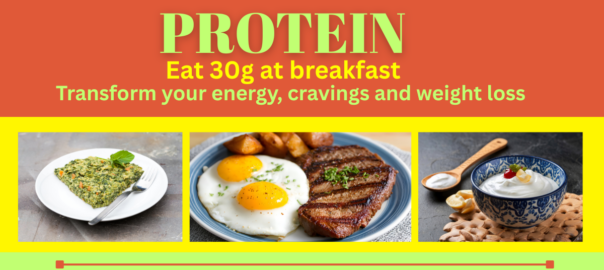
Quick question: How much protein did you eat at breakfast this morning?
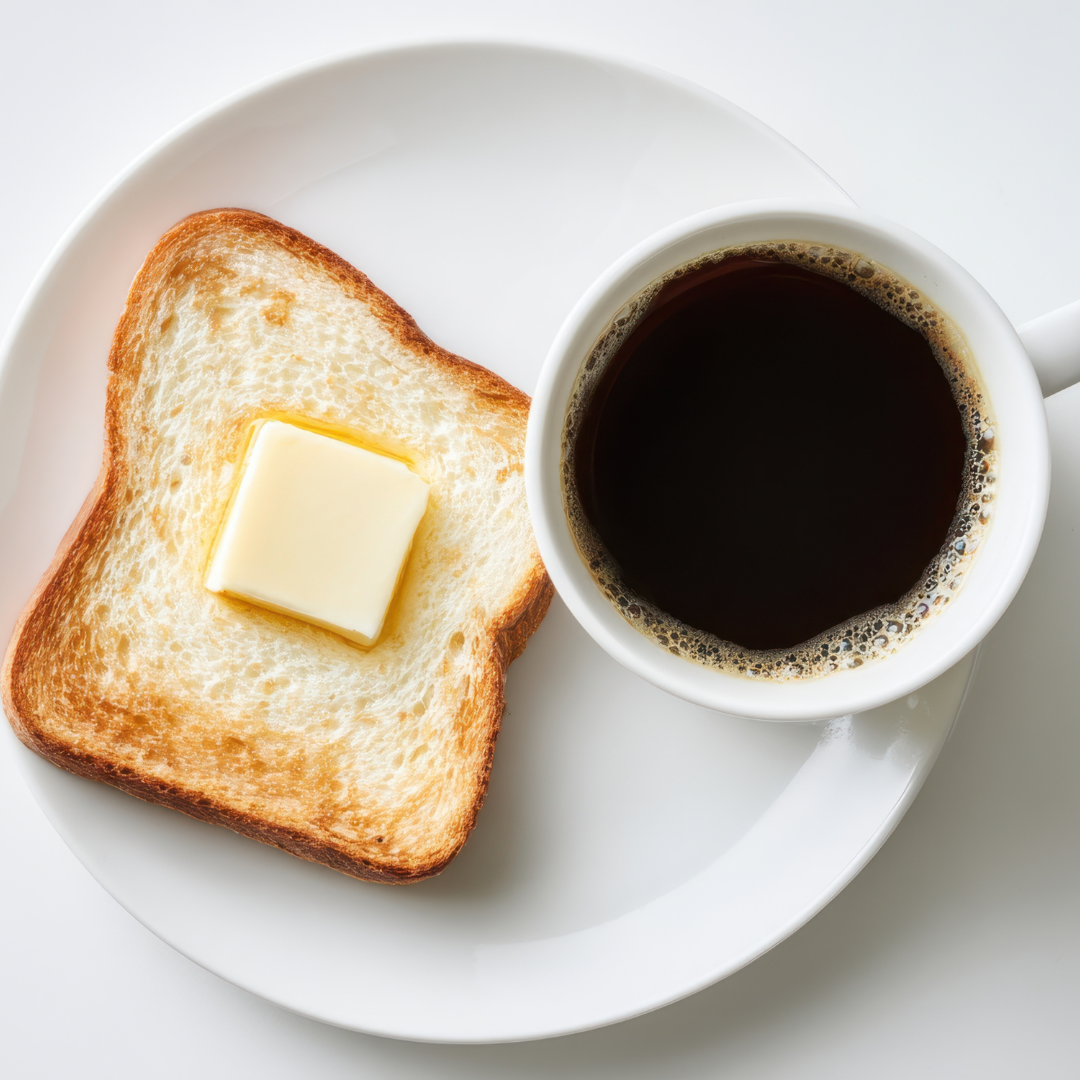
If your answer is “I don’t know” or “Not much” or “Just toast and coffee,” you’re about to discover why your metabolism has been struggling.
Protein is THE most metabolically active macronutrient. It does things that carbs and fats simply cannot do.
And when you don’t eat enough of it – especially at breakfast – you’re leaving the EASIEST metabolic advantage on the table.
The Thermic Effect of Food (TEF)
Your body burns calories just to digest, absorb, and process the food you eat.
This is called the Thermic Effect of Food (TEF).
But here’s the thing: Not all foods create the same thermic effect.
- Protein: 20-30% TEF (you burn 20-30 calories for every 100 calories of protein you eat)
- Carbohydrates: 5-10% TEF
- Fats: 0-3% TEF
Research shows: Protein requires significantly more energy to digest than carbs or fats, making it the most thermogenic macronutrient.
Translation: Eating protein literally burns more calories during digestion.
It’s like getting a metabolic boost just from choosing chicken instead of crackers.
But Protein Does Way More Than Just Burn Calories
Here’s why protein is non-negotiable for metabolic health:
✅ Preserves Muscle Mass During Weight Loss – Without enough protein, you lose muscle along with fat (which slows your metabolism).
✅ Increases satiety – Protein keeps you full longer, reducing cravings and overeating.
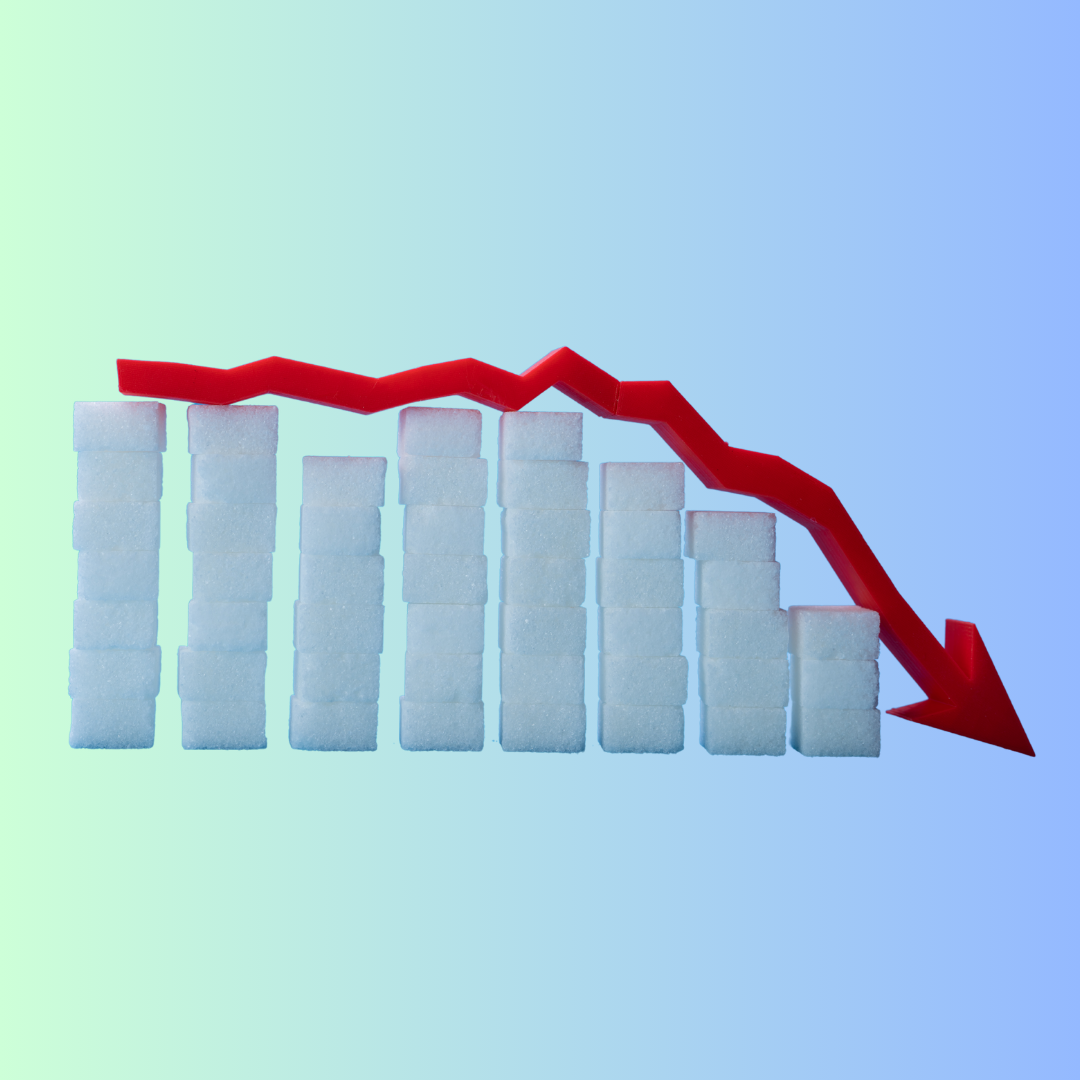
✅ Stabilizes Blood Sugar – Prevents the spikes and crashes that trigger cravings.
✅ Supports Muscle Repair and Growth – Muscle tissue burns more calories at rest than fat tissue.
✅ Reduces Late-Night Hunger – Adequate protein throughout the day reduces evening snacking.
✅ Improves Insulin Sensitivity – Helps your body use glucose more efficiently.
✅ Increases satiety – Research shows: High-protein diets (25-30% of calories from protein) significantly improve body composition, satiety, and metabolic rate compared to lower-protein diets.
The Breakfast Protein Rule: 30g Minimum
Here's one of the simplest, most effective metabolic health strategies: Eat at least 30g of protein within the first hour of waking up.
Why? Because protein at breakfast:
→ Stabilizes blood sugar for the ENTIRE day
→ Reduces cravings and hunger later
→ Kickstarts your metabolism
→ Prevents muscle breakdown
→ Sets you up for better food choices all day
Research shows: A high-protein breakfast (30g+) improves satiety, reduces daily calorie intake, and helps maintain muscle mass during weight loss.
Compare These Breakfasts
Breakfast A: Toast with jam, orange juice
(5g protein, high sugar, blood sugar spike → crash → cravings by 10am)
Breakfast B: 3-egg veggie omelet with cheese and avocado
(30g protein, stable blood sugar, satisfied until lunch)
Which one sets you up for success?
How Much Protein Do You Actually Need?
The general recommendation for metabolic health and body composition is: 1.2g – 2.0g of protein per kilogram of body weight per day.
For a 70kg (154 lb) woman, that’s:
- Minimum: 84g per day
- Optimal: 100-140g per day
Spread across 3 meals, that’s roughly:
- Breakfast: 30g
- Lunch: 30g
- Dinner: 40g
Research shows: Higher protein intakes (1.6-2.0 g/kg/day) combined with resistance training optimize muscle mass preservation and fat loss.
Research shows: Higher protein intakes (1.6-2.0 g/kg/day) combined with resistance training optimize muscle mass preservation and fat loss.
Easy Ways to Hit Your Protein Targets

Breakfast (30g):
- 3 eggs + 1 cup Greek yogurt
- Protein smoothie: 1 scoop protein powder + 1 cup milk + 2 Tbsp nut butter
- 2 eggs + 100g smoked salmon + avocado
- Cottage cheese (1 cup) + berries + nuts
Lunch (30g):
- Chicken breast (100g = 31g protein)
- Tuna salad (1 can = 25g protein) + chickpeas
- Lentil soup (1.5 cups) + Greek yogurt
- Turkey wrap with cheese
Dinner (40g):
- Grilled fish (150g = 35g protein) + quinoa
- Beef stir-fry (120g beef = 36g protein) + veggies
- Chicken thighs (150g = 40g protein) + roasted vegetables
- Tofu scramble (200g tofu = 32g protein) + beans
Snacks (if needed):
- Hard-boiled eggs (6g each)
- Greek yogurt (15-20g per cup)
- Protein shake (20-30g)
- Nuts and cheese (10-15g)
Plant-Based? You Can Still Hit Your Targets
High-protein plant foods:
- Lentils (18g per cooked cup)
- Chickpeas (15g per cooked cup)
- Tofu (20g per cup)
- Tempeh (31g per cup)
- Edamame (17g per cup)
- Quinoa (8g per cooked cup)
- Hemp seeds (10g per 3 Tbsp)
- Nutritional yeast (8g per 2 Tbsp)
- Plant-based protein powder (20-25g per scoop)
Tip: Combine plant proteins throughout the day to ensure you get all essential amino acids.
Your Challenge This Week
Pick ONE protein goal:
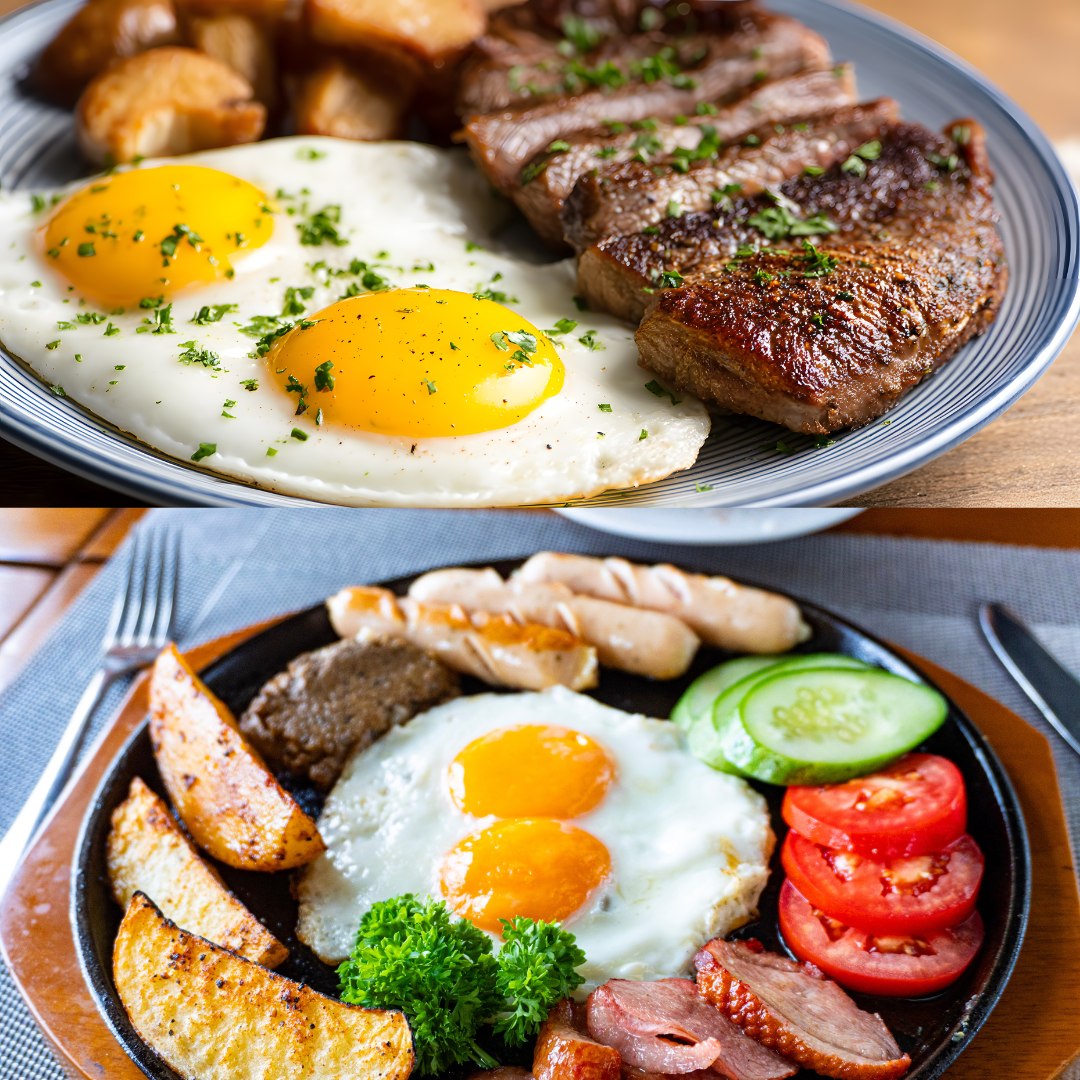
Option 1: The 30g Breakfast Challenge
Eat at least 30g of protein within 1 hour of waking up. Track how you feel throughout the day.
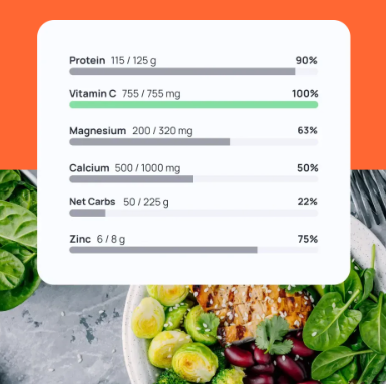
Option 2: Track Your Daily Protein
Use an app (like MyFitnessPal or Cronometer) to track your protein for 3 days. Are you hitting 100g+?
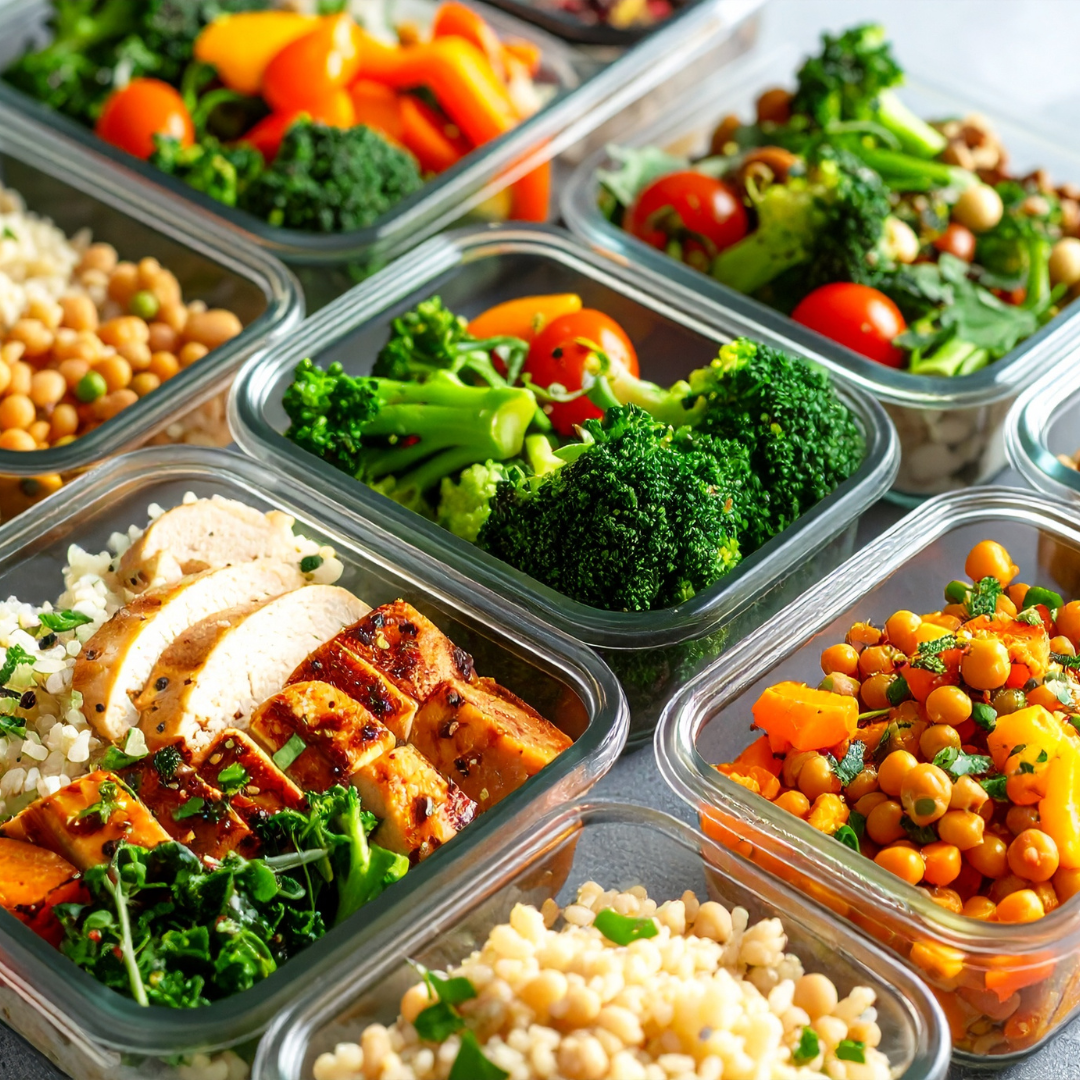
Option 3: Pre-Prep Your Protein
Batch cook protein for the week:
- Grill chicken breasts
- Hard-boil a dozen eggs
- Cook a big pot of lentils
- Portion out Greek yogurt
Make it EASY to hit your protein targets.
The Bottom Line
"I started eating 30g of protein at breakfast and my cravings disappeared."
It's not magic. It's biology.
When you give your body the building blocks it needs (amino acids from protein), it stops screaming at you for quick energy (sugar and carbs).
Try it for one week and see what happens.
Check out these other posts in the Metabolic Health Series:
⭐ Blog 1 https://www.coachingwithsuzi.com/scale-weight-metabolic-health/
⭐ Blog 2 https://www.coachingwithsuzi.com/your-gut-microbiome-is-running-the-show-and-you-didnt-even-know-it/
References
- Moon J et al Clinical Evidence and Mechanisms of High-Protein Diet-Induced Weight Loss. J Obes Metab Syndr. (2020) PMID: 32699189
- Leidy HJ, et al. (2015). The role of protein in weight loss and maintenance. AJCN. PMID: 25926512
- Leidy HJ, et al. (2013). Beneficial effects of a higher-protein breakfast. Obesity. PMID: 23446906
- Phillips SM, Van Loon LJC. (2011). Dietary protein for athletes. Journal of Sports Sciences. PMID: 22150425
About Coach Suzi
Weight Loss Coach, Counsellor, Hypnotherapist
Author of The Balanced Mind Diet micro book
Creator of the Weight Freedom Mastery Academy
Questions? Email Me: suzi@coachingwthsuzi.com
Let’s chat: Book a time in my online calendar to discuss your goals (30 minutes)